Loading workspace…

Miscellaneous
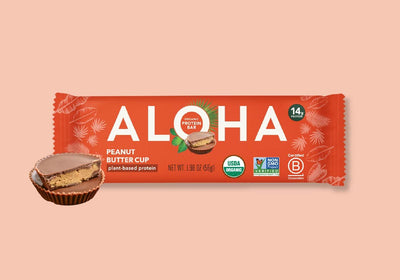
Peanut Butter Cup
Strong demand, high merchant economics, and high creative potential, but moderate launch readiness.
$12Opportunity score 851,683 reviews3,534 orders observed
The source listing, shipping terms, and availability can change. Re-check them before ordering a sample or committing to a supplier.
Signal snapshot
Last research update Apr 8, 2026What the research record shows
Opportunity score85Composite of demand, price, review, and launch signals.
AI product score85Model-assisted score stored on the product record.
Demand prediction92Estimated buyer-demand signal, not a sales guarantee.
Trend signal88.5Relative movement captured by the latest research cycle.
Price$12Listed price observed at collection time.
Reviews1,683Rated 4.9 out of 5.
Before you test
How to validate this product properly
A high score is a reason to investigate, not a reason to launch. Work through the same five checks an operator would run before spending on samples or traffic.
- Confirm the source and seller.Open aloha.com and verify the current listing, variant, and stock.
- Recalculate the contribution margin.Include product cost, shipping, payment fees, expected refunds, support time, and ad learning cost — not just the sticker price.
- Check delivery and support reality.Confirm processing time, tracking quality, packaging, and the return address before promising a delivery window.
- Find the one-sentence buyer problem.If the product cannot be explained and demonstrated quickly, a high score will not rescue the creative.
- Look for saturation and IP risk.Check competing ads, duplicate storefronts, trademarks, and restricted-category rules before ordering inventory.
Research angle
What the model flagged
Target fitness enthusiasts with protein-focused marketing
- Peanut Butter Cup for a protein-packed drive
- Fuel your ride with Peanut Butter Cup protein bars
- Hook 1: “Stop scrolling if you struggle with miscellaneous.” Then demo Peanut Butter Cup immediately.
These are AI-generated starting points, not verified claims. Adapt them to the real product, audience, and compliance rules.
Keep researching
More in MiscellaneousRelated product records



Go beyond the record
Put this product into a live research workflow.
Compare suppliers, track competitor stores, review ad activity, and keep the evidence attached to the decision in Scrape.